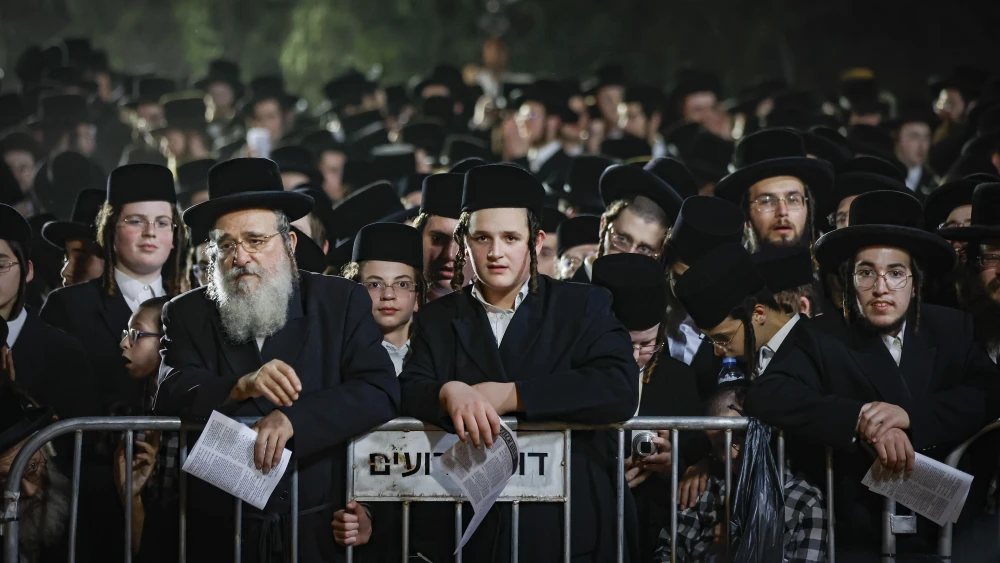
Haredi military enlistment is expected to be a central campaign issue ahead of Israel's Oct. 27 elections for the 26th Knesset, with nearly three years of conflict on multiple fronts underscoring the sector's limited participation in military service.
However, if manpower is the key concern, other population segments warrant similar scrutiny. A January 2025 Knesset committee was told that universal enlistment could yield at least 10,000 Arab male recruits, or over 20,000 if women were included. Critics question why parties campaigning on insufficient participation - many describing themselves as democratic and progressive - focus exclusively on the ultra-Orthodox rather than pursuing broader enlistment.
Several factors explain this focus. Israelis have grown frustrated with Haredi demonstrations. More substantively, the ultra-Orthodox receive state welfare payments and tax benefits while not serving militarily, straining public resources. Their economic structure, in which most working women are employed in education while schools lag in teaching secular subjects needed for employment, creates an imbalanced and unproductive system.
In July, Rabbi Dov Lando, a senior spiritual leader of the non-Chassidic ultra-Orthodox sector, expressed anger at Religious Zionist community members pushing for yeshivah student enlistment. Speaking with heads of the Mir Yeshiva, Lando characterized military service undertaken for "the sake of the country's honor" Rather than pure survival as "outright murder," Calling those who advocate Haredi enlistment "wicked people" Who are "inciting murder."
The resulting uproar drew sharp responses. Prime Minister Benjamin Netanyahu, despite close ties to Haredi coalition partners, expressed displeasure with Lando's remarks while praising Religious Zionist soldiers. Opposition parties responded more sharply, with some figures suggesting sanctions including potential voting restrictions, though no practical plan to increase Haredi military participation has emerged.
Resolving this impasse may require framing military service within Jewish theological tradition, presenting it as a mitzvah and Jewish obligation. Historical Jewish figures from Abraham to King David engaged in warfare, and some Haredi leaders historically supported Jewish military institutions.
Voters, however, should ultimately focus on which coalition will ensure state security and which government best represents Jewish and Zionist principles, and which leadership can navigate threats while maintaining diplomatic alliances.