ICE Expects Body Cameras for All Field Officers by August's End
U.S. Immigration and Customs Enforcement announced that it expects all field officers and agents to be equipped with body cameras by the end of August.
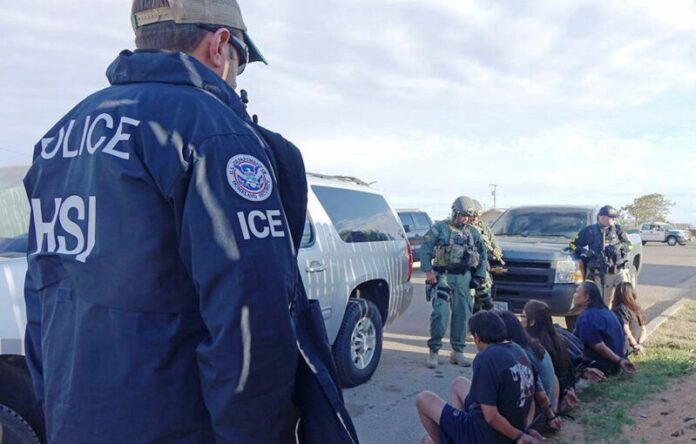
U.S. Immigration and Customs Enforcement announced that it expects all field officers and agents to be equipped with body cameras by the end of August. The expansion will create an extensive visual record of ICE enforcement operations, though decisions about public release of footage will remain largely within the agency's control.
Questions have emerged regarding footage availability following incidents involving serious injuries or deaths in custody. Acting Director David J. Venturella said such restrictions are designed to protect ongoing investigations, safeguard privacy, and comply with federal law and policies used by other federal law enforcement agencies.
Venturella's statement followed an Associated Press report examining ICE's body-camera policy, which includes a provision allowing footage from serious injury or death incidents to be released on an expedited basis when determined to be in the "best interests of the agency." Venturella said the Associated Press "mischaracterized" The policy by conflating that specific provision with ICE's broader authority over releasing recordings. He stated the policy makes clear that footage should not be released if it could interfere with investigations or violate privacy protections.
The Associated Press countered that its report did not claim the cited provision governs all footage releases, but rather focused specifically on agency procedures for serious injury or death incidents. The news organization said that before publishing, it requested comment from ICE, which provided only partial responses and did not address the language about releasing footage when in the "best interests" Of the agency.
ICE has faced heightened scrutiny following two recent fatal shootings by its officers - one involving a 25-year-old motorist in Maine in July, and another involving a Houston homebuilder. Neither shooting was captured on body cameras.
Venturella stated that ICE remains "committed to transparency and accountability" And is "on track to equip every officer and agent in the field with body-worn cameras by the end of August."
Christopher Schneider, a sociology professor at Brandon University in Canada, noted that selective footage release is common among law enforcement agencies, though rarely stated so explicitly in official policy, saying "In some ways, ICE is saying the quiet part out loud."
U.S. Customs and Border Protection, ICE's sister agency, has similarly not released body-camera footage from a fatal shooting in Minneapolis earlier this year. CBP Commissioner Rodney Scott told lawmakers the video remains part of an active investigation and would be made public "when it's appropriate."
Sources