When moderates walk away, extremists walk through the door
Eight years ago, Alexandria Ocasio-Cortez's primary victory over incumbent New York Rep. Joe Crowley signaled a significant shift in Democratic politics.
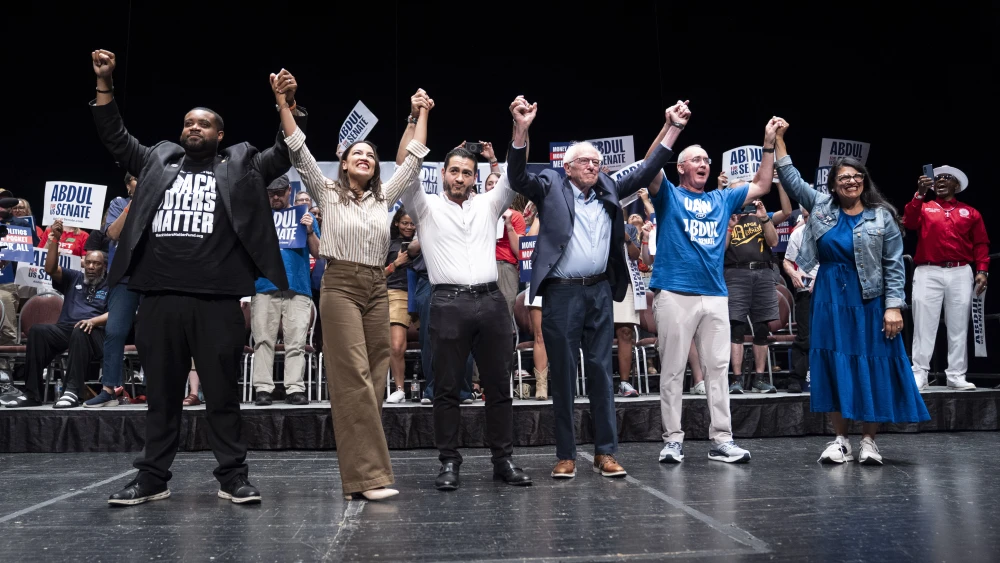
Eight years ago, Alexandria Ocasio-Cortez's primary victory over incumbent New York Rep. Joe Crowley signaled a significant shift in Democratic politics. Her win was not an isolated event but rather revealed an organized socialist movement within the party that had mastered the mechanics of political power - fundraising, candidate recruitment, and voter turnout.
That movement has since grown more disciplined and influential. In recent cycles, it has demonstrated expanding reach: Mayor Zohran Mamdani backed candidates in three major Democratic congressional primaries in New York City, all of whom won. In Michigan, socialist candidate Dr. Abdul El-Sayed secured the Democratic Senate nomination in a closely contested race in a crucial battleground state.
Many moderate, conservative and independent voters have grown frustrated with the Democratic Party's far-left faction. Some have left the party entirely, a choice that is understandable. However, in states where Democratic primaries effectively determine general election outcomes - such as New York and New Jersey - disengagement from primary contests strengthens rather than weakens the far-left wing.
Democratic voices including Rep. Jared Moskowitz, Rep. Grace Meng, Rep. Ritchie Torres, Rep. Laura Gillen, Rep. Josh Gottheimer, and Sen. John Fetterman remain significant within their party. A strong political center is necessary for America, and continued Democratic support for Israel depends partly on moderates maintaining influence within the party.
The trend now underway appears durable rather than temporary. If moderate participation in Democratic primaries continues to decline in consequential states, one of America's two major parties risks being increasingly defined by its most extreme elements. This shift carries implications beyond partisan politics, touching national security, economic policy, and America's relationship with Israel.
Sources
Related