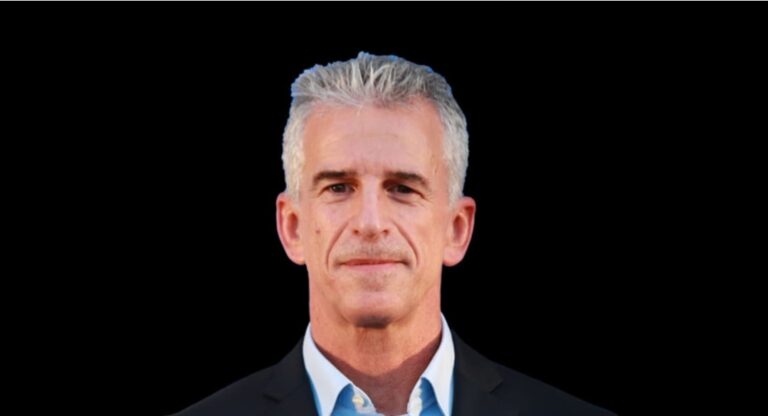
A second day of U.S.-brokered talks between Israel and Lebanon concluded early in Rome on Wednesday after Israel requested the negotiations be suspended. Israeli Ambassador to the United States Yechiel Leiter, heading the Israeli delegation, asked U.S. Mediators to halt discussions approximately three hours before the scheduled end time "following repeated misleading leaks by the Lebanese delegation," According to a source on the Israeli negotiating team.
Multiple media reports had detailed purported developments from the negotiations on Tuesday and Wednesday, though it was unclear which specific leaks prompted the decision. Talks are expected to resume Thursday, the final scheduled day of this round.
The Lebanese president's office stated that "the American side asked the Lebanese and Israeli delegations to stop today's meeting" To allow it to "complete its contacts."
The second round of negotiations opened Tuesday in Rome, representing the seventh round of U.S.-facilitated talks aimed at implementing a trilateral framework agreement reached earlier in the summer. The current round follows separate White House meetings between U.S. President Donald Trump and Lebanese President Joseph Aoun, and between Trump and Israeli Prime Minister Benjamin Netanyahu, as well as the launch of pilot zones in southern Lebanon.
U.S. State Department spokesman Tommy Pigott said the discussions bring together technical teams "to advance full implementation of the trilateral framework, including the pilot zone process, verified disarmament of Hezbollah and other Iran-backed security threats, redeployment of Israeli forces from southern Lebanon and laying the ground for a comprehensive peace and security agreement."
An Israeli diplomatic source indicated the delegation is working through specialized groups focused on military coordination, land and maritime border issues, and Hezbollah's disarmament.
Hezbollah leader Naim Qassem denounced the Rome talks Tuesday, calling direct negotiations with Israel "shameful" And claiming they have brought Lebanon "nothing except shame, humiliation, disappointment and one concession after another."
U.S. Ambassador to Lebanon Michel Issa expressed cautious optimism but said significant technical work remains to ensure "civilian safety on the ground," Noting that "there is a meaningful difference between drafting an agreement on paper and implementing it responsibly."
Following Wednesday's shortened session, the Lebanese president's office reported that border and international rights issues "advanced the most," And that "a division and sorting of the proposals regarding the third party responsible for the verification mechanism was achieved."